A Morning Habit Worth Understanding
What Does Your Morning Routine Really Need — And Could Honey and Gelatin Play a Simple Role In It?
For men who are up before the sun, this is a short, plain-language read on how honey and gelatin fit into an old-fashioned morning routine — no promises, just context worth knowing before your coffee gets cold.
What Other Men Are Saying

Illustrative composite examples. Individual results vary. Not a guarantee.
The Early Hours Aren't What They Used to Be
For a lot of men past fifty, mornings have quietly changed. Here’s what tends to show up first.
Waking Up Already Tired
The alarm goes off, but the rest that's supposed to come with sleep doesn't always follow.
Mornings That Feel Rushed and Heavy
What used to be a calm start to the day can start to feel like one more thing to push through.
A Routine That No Longer Matches the Body
The habits that worked at thirty don't always carry the same weight two or three decades later.
Skipping the Small Rituals That Used to Help
Little routines — a warm drink, a few quiet minutes — often get the first cut when time feels short.
Myths and Facts Worth Sorting Out
Old habits attract old stories. Here’s a plain look at a few of them.
Honey and gelatin are just an old wives’ tale with no real background.
Both ingredients have a long documented history in traditional daily routines, particularly among manual workers who kept early hours.
If a habit isn’t backed by a modern supplement label, it isn’t worth understanding.
Many long-standing routines were built on practical, low-cost ingredients — understanding them doesn’t require a marketing claim.
Morning routines only matter if they promise a dramatic change.
For many men, the value of a routine is in its consistency and simplicity, not in any guaranteed outcome.
A Simple Morning Framework
Not a program, not a protocol — just a way some men have structured the first part of their day.
Start Before the Rush
Set aside a few quiet minutes before the day’s demands take over, the way early risers on farms traditionally did.
Keep the Ritual Small
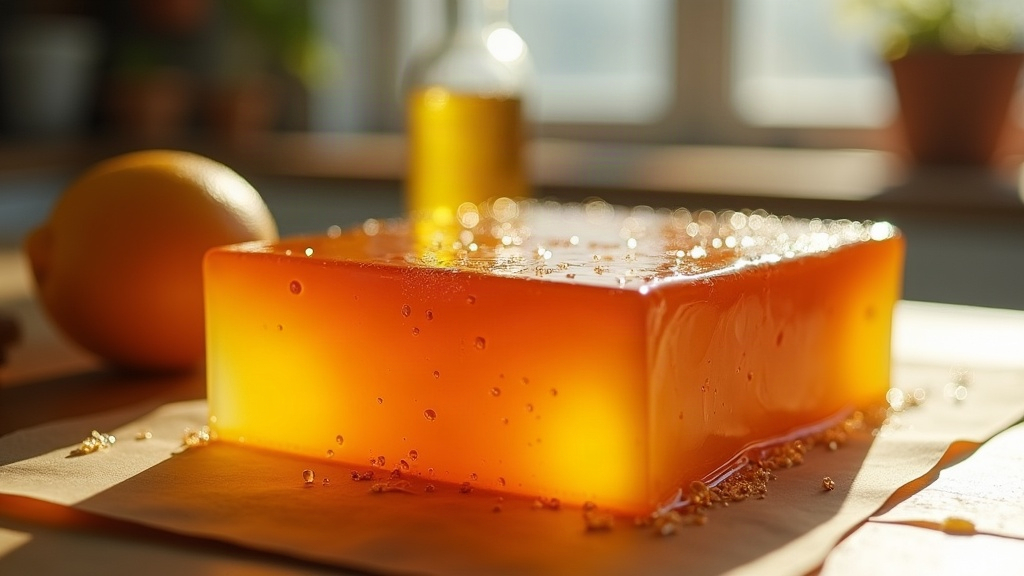
A warm drink, a moment of stillness, something simple like honey and gelatin prepared the old-fashioned way — nothing complicated.
Let Consistency Do the Work
The habit matters less for any single morning and more for showing up the same way, day after day.
Where This Habit Comes From
Long before modern morning routines involved apps and supplements, rural workers were already up before dawn, preparing for long days of physical labor. In many farming households, a simple mixture of honey and gelatin was part of that early routine — inexpensive, easy to prepare, and passed down through generations more as common practice than formal advice.
This wasn’t framed as a remedy or a solution. It was simply part of how many households structured a demanding morning, long before anyone called it a ‘routine’ at all.
Signs Worth Paying Attention To
Fatigue That Doesn't Ease With Rest
Feeling worn out even after a full night's sleep is worth mentioning to a healthcare professional.
Noticeable Changes in Morning Stiffness
A gradual shift in how the body feels first thing in the morning is worth tracking over time.
Skipping Meals Without Noticing
Appetite changes, especially early in the day, are worth discussing with a doctor rather than dismissing.
Trouble Settling Into a Routine
If mornings consistently feel chaotic despite effort, it may be worth a broader conversation about daily structure.
Relying on Caffeine Alone
Leaning entirely on caffeine to get moving each day is a pattern worth reflecting on.
Ignoring Small Changes Over Time
Minor shifts in energy or mood, if persistent, are best brought up with a healthcare provider rather than assumed to be normal aging.
Questions Men Often Ask
No. This piece is educational and discusses a traditional ingredient combination and morning routine in general terms.
Historically, both were simple pantry staples used in early morning routines by manual workers, without any formal medical claim attached.
This article does not present clinical research or statistics. It focuses on historical and traditional context, not scientific claims.
Any changes to daily habits, especially involving diet, should be discussed with a healthcare professional first.
Morning routines and energy patterns often shift with age, which is why this angle focuses on that stage of life.
Individual dietary needs vary. Anyone with allergies or health conditions should consult a doctor before changing their diet.
The linked page offers additional educational context on this topic.
Curious to Keep Reading?
This has been a short look at an old morning habit involving honey and gelatin. If you’d like to keep reading, the next page continues the conversation.
Advertising Disclosure: This page contains sponsored content and affiliate links. We may receive compensation if you click a link or make a purchase through links on this page. This does not affect the price you pay.
Content Disclaimer: This content is for educational and informational purposes only. It has not been evaluated by the FDA and is not intended to diagnose, treat, cure, or prevent any disease. Always consult a qualified healthcare professional before making changes to your diet, routine, or lifestyle.
Results Disclaimer: Individual results vary. Testimonials and examples shared on this page are illustrative and not a guarantee of any specific outcome.
© 2026 · All Rights Reserved · /contact/